
See also


 12.11.2026 05:33 AM
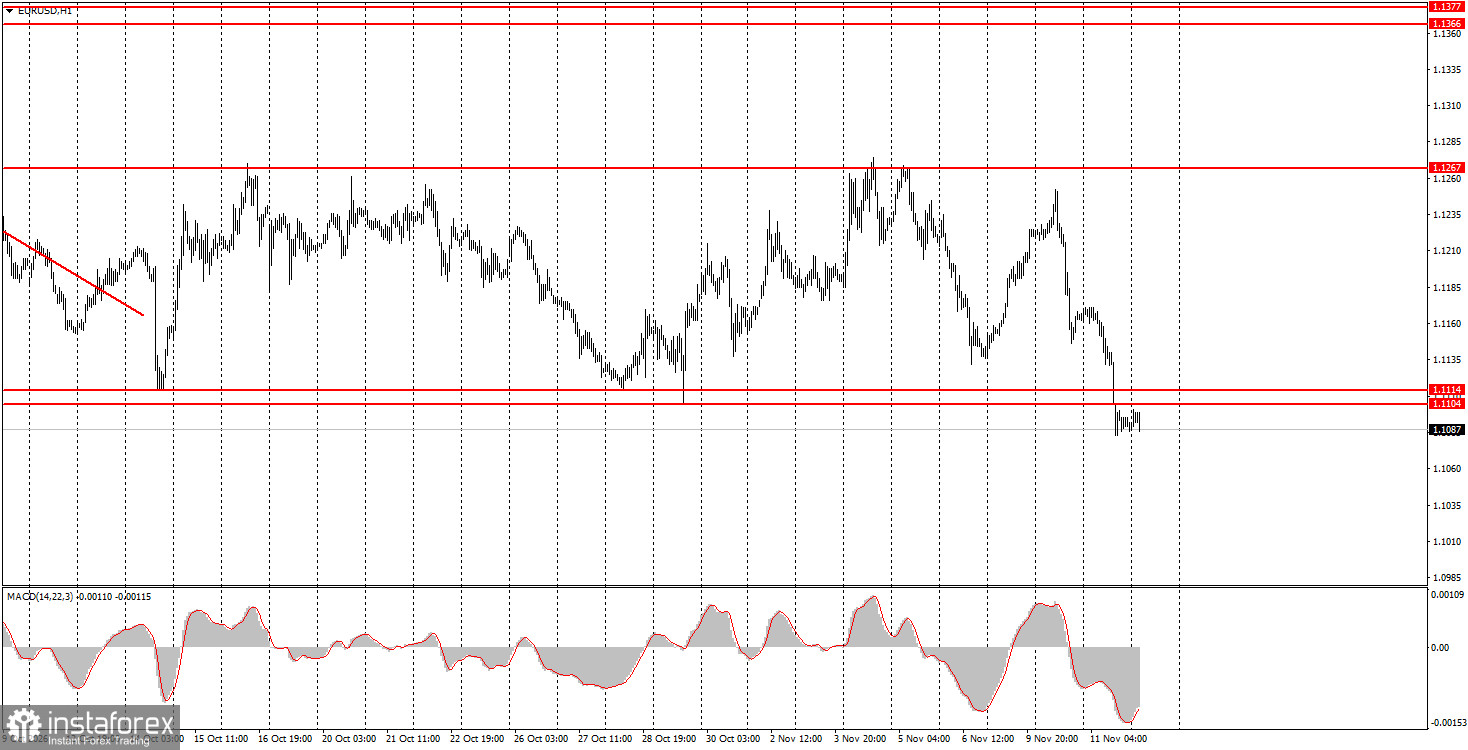
Not many macroeconomic publications are scheduled for Thursday, but a few are worth noting. In the UK today, Q3 GDP and industrial production will be released. These reports are important, but whether they can stop the pound's decline remains in question. The market has bought dollars aggressively two days in a row, and it is clear this is not purely due to strong US macro data. Recent US releases were indeed strong, but they barely changed the Federal Reserve's monetary policy outlook. The Bank of England's monetary prospects remain at least as hawkish. No major publications are scheduled today in the EU or the US.
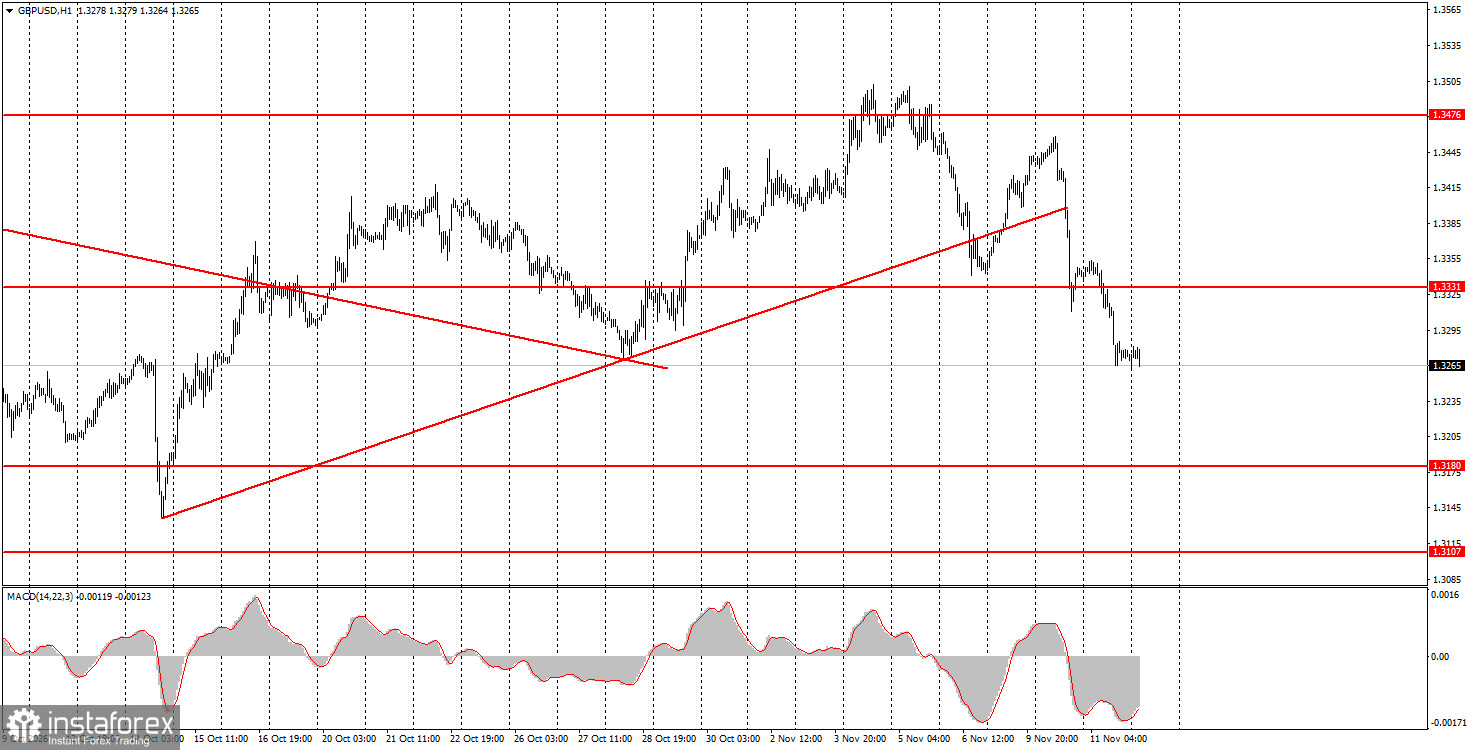
Among Thursday's fundamental events are a speech by European Central Bank President Christine Lagarde and a new round of Fed officials' appearances. This week, Christopher Waller already provoked dollar strength by saying he personally might vote for a 50-bp hike in December. No other FOMC official supported that idea, yet the market needed only Waller's view to trigger a new wave of dollar buying. Regardless of what the Fed ultimately does in December, markets care more about fresh reasons to buy the dollar. If such reasons appear, both pairs can fall sharply.
The geopolitical backdrop remains tense but has improved somewhat in recent weeks. The US and Iran are not holding official talks at the moment, and after the Democrats' decisive election victory, Donald Trump is uncertain what to do next on Iran. The Democrats have said they will demand an end to the war in the Middle East — a position Trump clearly does not share. Nevertheless, continuing a war without full Congressional support will be difficult for the president, and Iran is also not opposed to returning to negotiations. There are some chances for a resolution, which in theory should reduce dollar demand.
Market volatility may be low during the penultimate trading day of the week. The euro has left the sideways channel and may continue downward. The British pound remains in a downward correction. The euro can be traded today from the 1.1104–1.1114 area, and the pound sterling from the 1.3259–1.3267 area.
Price levels (areas) of support and resistance — levels that serve as targets when opening longs or shorts or as sources of signals.
Red lines — channels or trendlines that display the current trend and indicate the preferred trading direction.
MACD indicator (14,22,3) — histogram and signal line — an auxiliary indicator that can also be used as a source of signals.
Important speeches and reports (listed in the news calendar) can strongly affect a currency pair's movement. Therefore, when they are released, one should trade as cautiously as possible or step aside to avoid a sudden price reversal against the prior direction.
Beginner forex traders should remember that not every trade can be profitable. Developing a clear strategy and money-management rules is the key to long-term success in trading.


